
Category: Global Governance
137 Articles
- Global Governance
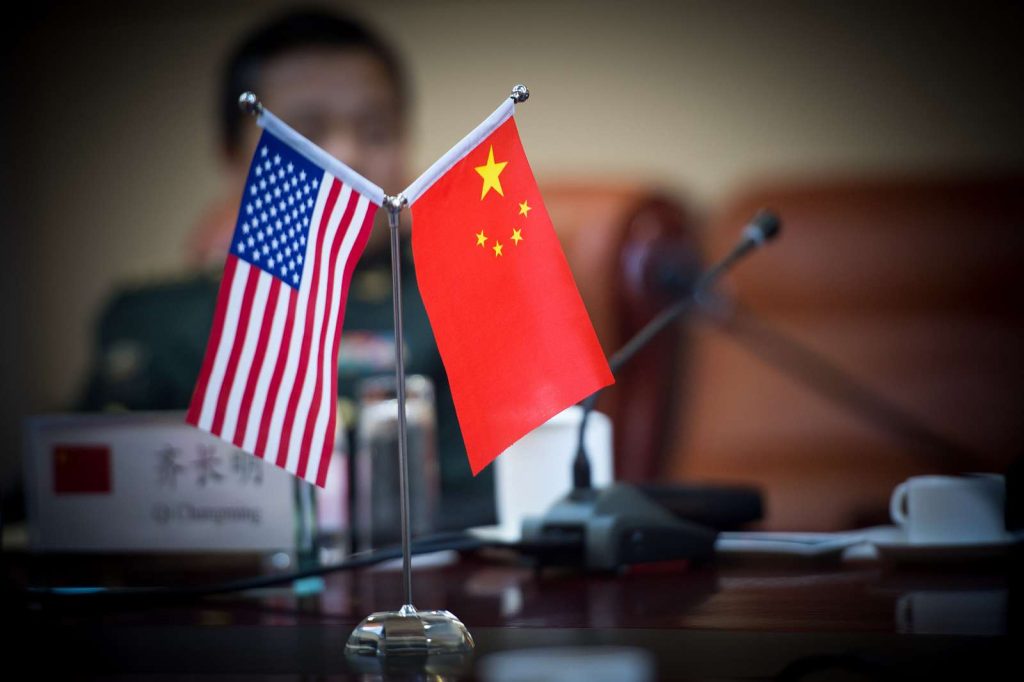
Decoding Sino-American Relations Through A Dualist Account of Threat Perception
China and the United States have an increasingly hostile relationship. The recent Chinese balloon shoot-down is one of the many examples of strained US perceptions of the…
April 20, 2023
- Global Governance
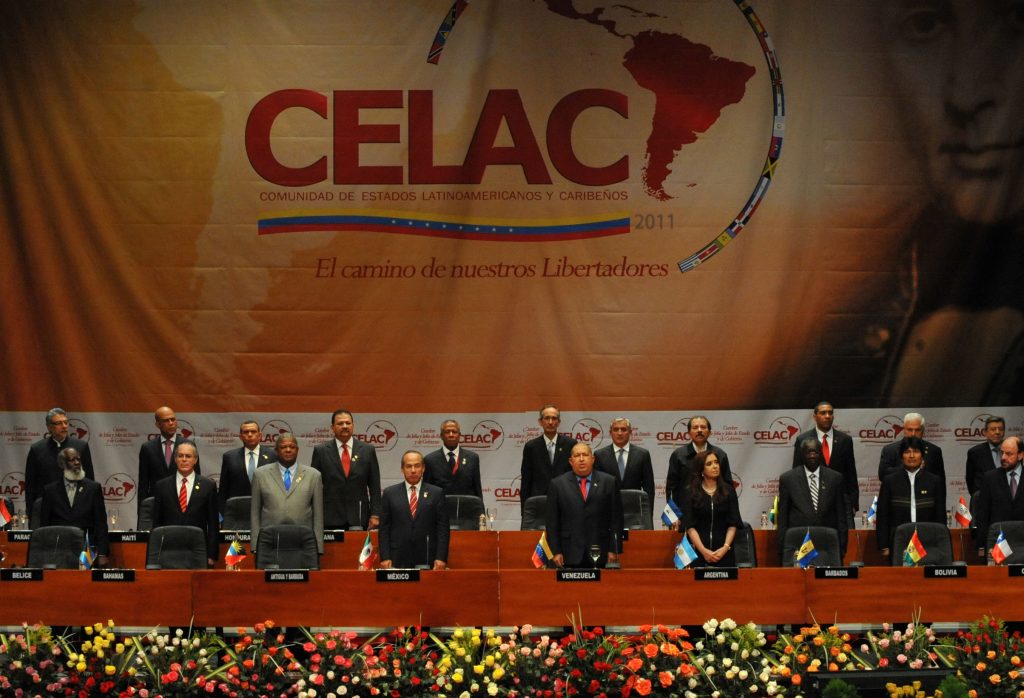
Latin America’s Values and the Viability of CELAC
The Community of Latin American and Caribbean States (CELAC) was established to give a unitary voice to the continent but has instead become a mirror of its divisions. Once…
April 18, 2023
- Global Governance
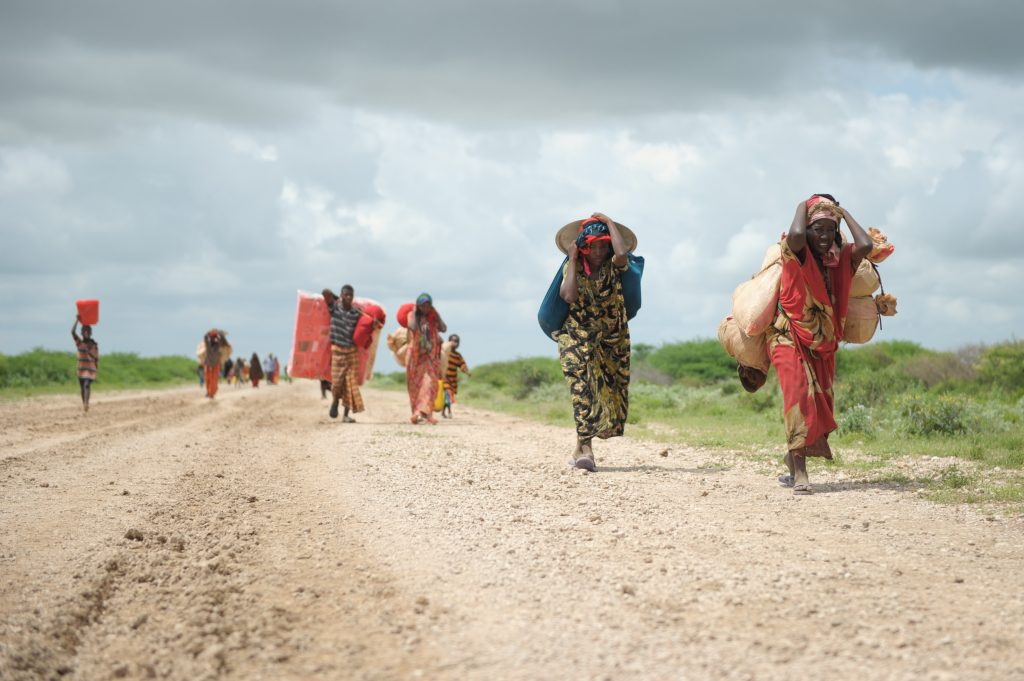
Seeking Recognition for Climate Refugees. Are States the Only Game in Town?
The 2021 World Bank report warns that without early climate action, climate change could force 216 million people across six world regions to move within their countries by 2050.…
March 15, 2023

- Global Governance
US Diplomacy and the Pacific Islands: Risk of Over-Promising and Under-Delivering
As the former US Ambassador to the Republic of Palau—a small but strategic nation in the second island chain of the Pacific—I believe our relationship with the region is on a…
February 9, 2023
- Global Governance
Cooperation and Compromise: Populism, Multilateralism, and International Law
The political climate and political ideology of many states around the world are increasingly falling victim to populism. Populist ideals are gaining a foothold by challenging…
January 13, 2023

- Global Governance
Decisive, Future-Oriented Action Will be Needed to Achieve the Goals of the Kunming-Montreal Global Biodiversity Framework
Despite a wealth of biodiversity laws operating at every scale of governance, the world’s rich diversity of plants, animals, and ecosystems is disappearing. The effects of land…
January 11, 2023
- Global Governance
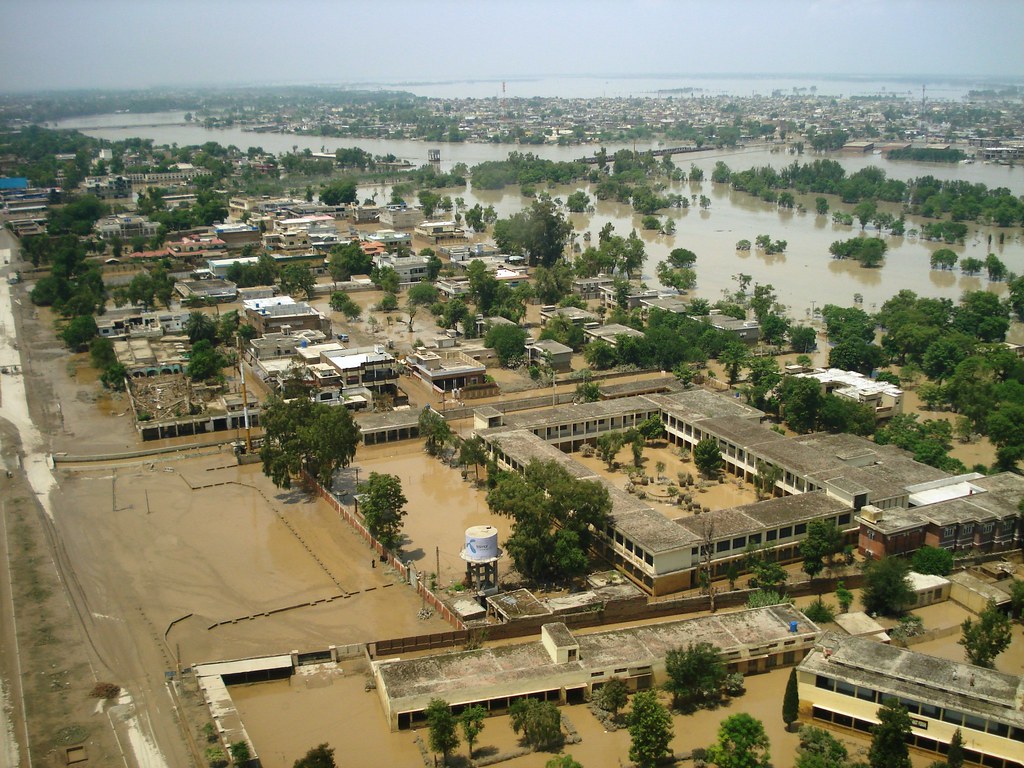
Climate-Related Loss and Damage Issues in Global Negotiations
The question of financial payments for loss and damage resulting from climate change has emerged as one of the key policy issues at the twenty-seventh Conference of Parties…
January 4, 2023
- Global Governance
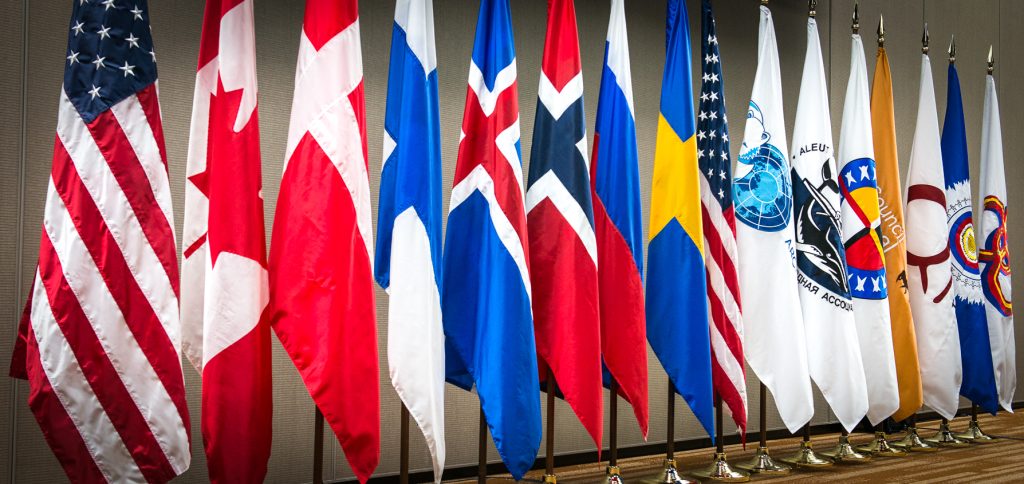
Can the Arctic Council Survive the Impact of the Ukraine Crisis?
The Ukraine crisis has disrupted the work of the Arctic Council, an international forum created in the 1990s to promote international cooperation on issues of sustainable…
December 30, 2022
- Global Governance
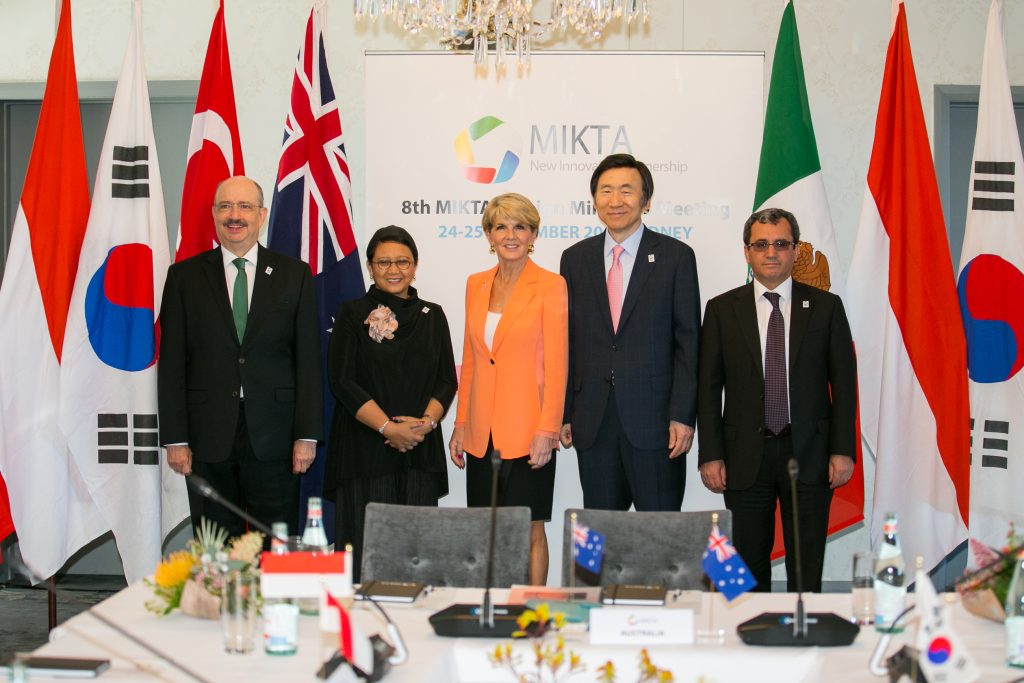
MIKTA: The Middle Power’s Last Hurrah?
The middle power moment is over. From 1945 to 2000, they were the most influential type of secondary state. MIKTA’s increasing irrelevance suggests we should start the process…
December 28, 2022
- Global Governance
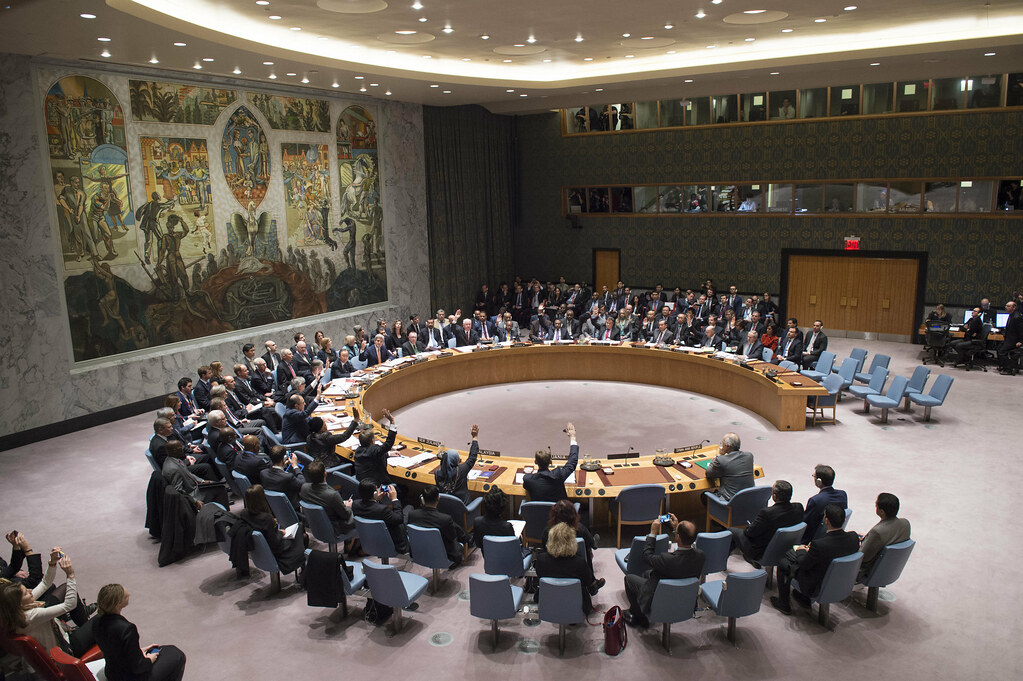
A Rework of the P5 as a Cornerstone for Peace Through Multilateralism
The drafters of the UN Charter laid the foundation for strong multilateralism by expecting the winners of World War II to collectively use their individual know-how for the…
December 19, 2022